🍽️
Prep time10 mins
Cook time10 mins
Ingredients10
luncheasy
Miso-Glazed Eggplant Donburi (15-Minute Rice Bowls)
Published: Oct 8, 2026
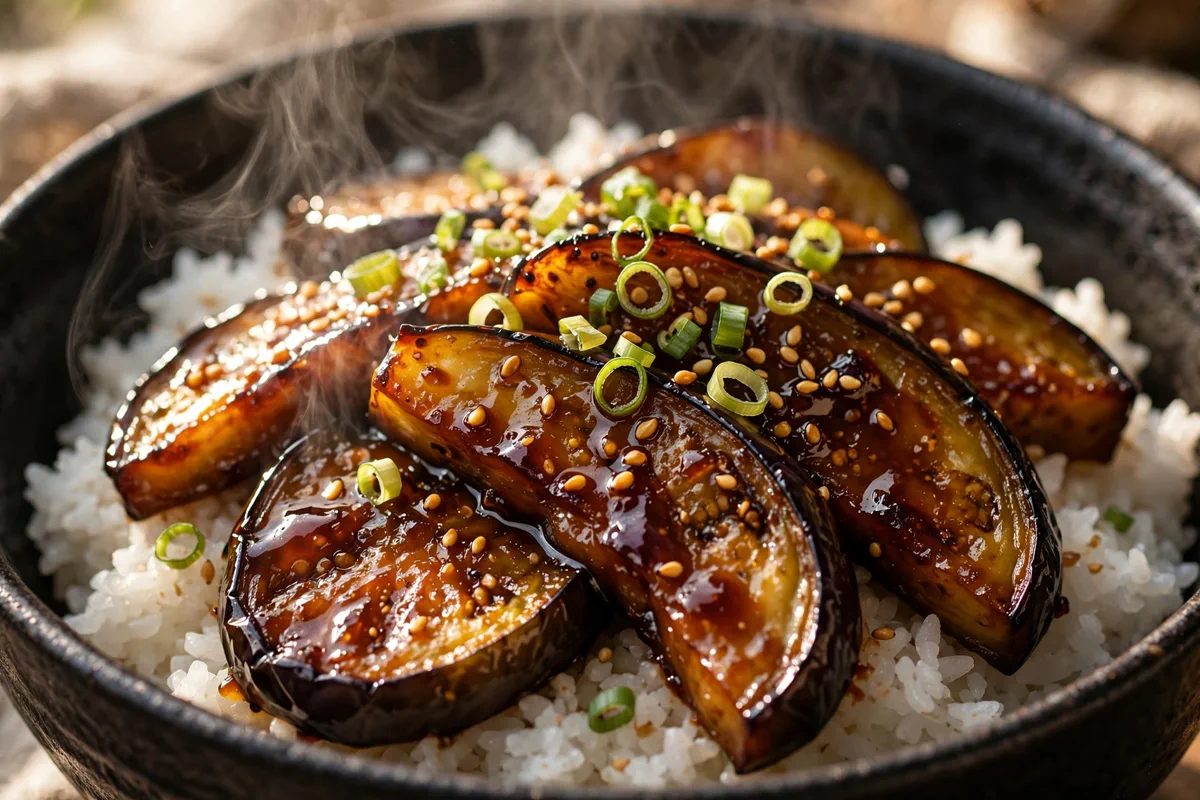
Miso-glazed eggplant, caramelized until sticky and sweet-savory, piled over steaming rice with scallions and sesame. This 15-minute bowl beats takeout.
Miso-glazed eggplant, caramelized until sticky and sweet-savory, piled over steaming rice with scallions and sesame. This 15-minute bowl beats takeout.
If you are looking for an ultra-satisfying, restaurant-quality meal that comes together with minimal effort, this Miso-Glazed Eggplant Donburi (15-Minute Rice Bowls) is about to become your new favorite. Everything is cooked to juicy, golden perfection with wholesome ingredients and incredible depth of flavor.
One simple tip!
Salt the eggplant and wait. Those 10 minutes pull out bitter moisture and collapse the spongy air pockets, so the flesh sears instead of drinking half a cup of oil.
Step-by-Step Photos
Why You’ll Love This Recipe
Quick & EffortlessReady in just 20 minutes total with straightforward, foolproof prep.
Packed with Deep FlavorCarefully balanced with Japanese or Chinese eggplants (about 1 lb / 450g total), kosher salt, neutral oil for maximum satisfaction.
Family & Crowd FriendlyMakes 2 generous servings that can be effortlessly doubled or scaled using our smart scaler.
Nutritious & High ProteinProvides 8g protein and only 465 calories per serving.
Ingredients Notes & Variations
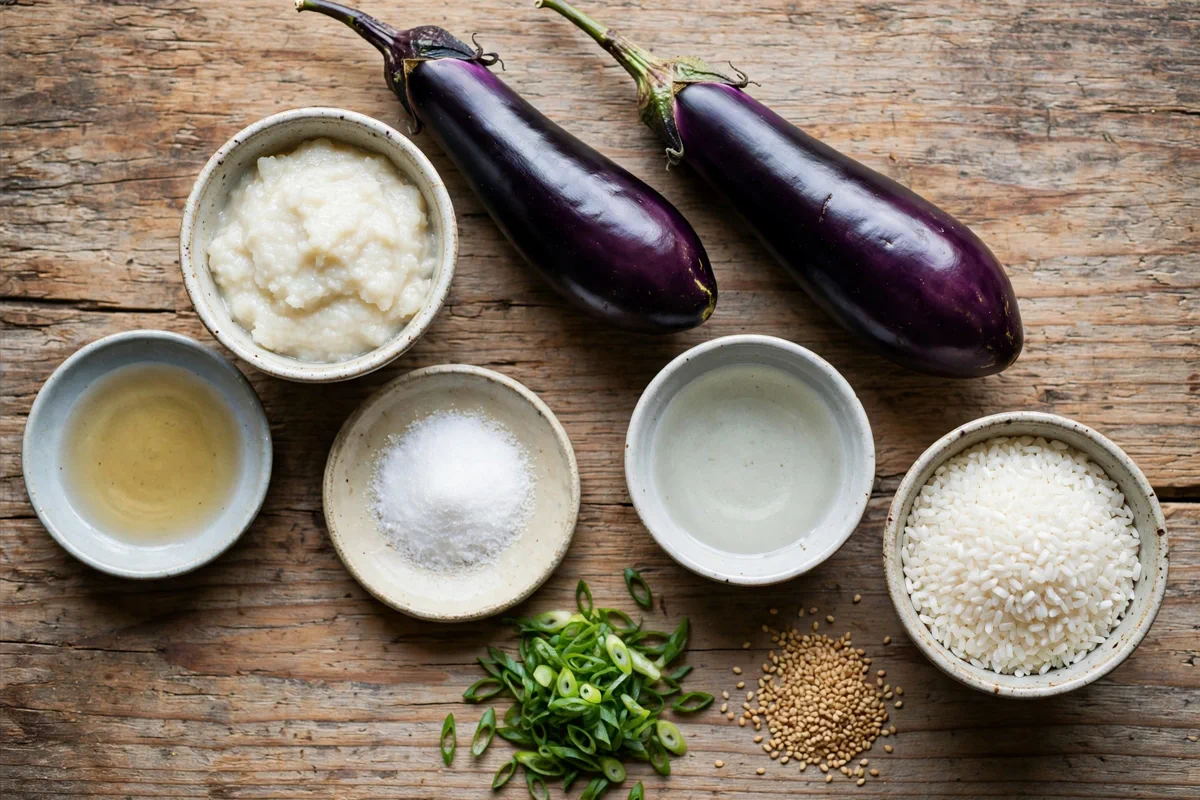
Here is an overview of what you will need for this recipe. Be sure to scroll down to the printable recipe card below for exact scaled measurements!
Japanese or Chinese eggplants (about 1 lb / 450g total)
2 piecemedium; long and slender; see substitutions if using globe eggplant
kosher salt
1 tspfor drawing out moisture
neutral oil
2 tbspavocado or vegetable, not olive oil
white miso paste (shiro miso)
3 tbspnot red miso, which is too strong here
mirin
2 tbspsugar
1 tbspplus more to taste
sake or water
1 tbspto loosen the glaze
cooked short-grain rice
2 cupabout 1 cup dry; see tips on day-old rice
scallions
2 piecethinly sliced, greens and whites
toasted sesame seeds
1 tspHow to Make (Step-by-Step Overview)
Here is a quick summary of the preparation process. Detailed cooking temperatures and step timers are included in the recipe card below.
1
Trim the ends off the eggplants and cut them into 1-inch-thick rounds or half-moons. Toss with the kosher salt in a colander and let sit 10 minutes.
Look for: Cut pieces should be about thumb-width. Too thin and they fall apart; too thick and the centers stay spongy.
2
While the eggplant rests, whisk the white miso, mirin, sugar, and sake in a small bowl until smooth. Taste it. Sweet first, salty second.
Look for: The eggplant will look noticeably damp and slightly collapsed. That is the point.
3
Rinse the salted eggplant and pat the pieces completely dry with paper towels. Heat the oil in a large skillet over medium-high heat until it shimmers, then add the eggplant in a single layer.
Look for: Listen for a steady, confident sizzle. If it goes silent, the pan is crowded and the eggplant is steaming.
4
Sear undisturbed for 3 to 4 minutes, then flip each piece and cook 2 to 3 minutes more, until golden on both sides and tender in the center.
Look for: Look for caramel-colored crusts on the cut faces and flesh that yields to gentle pressure.
5
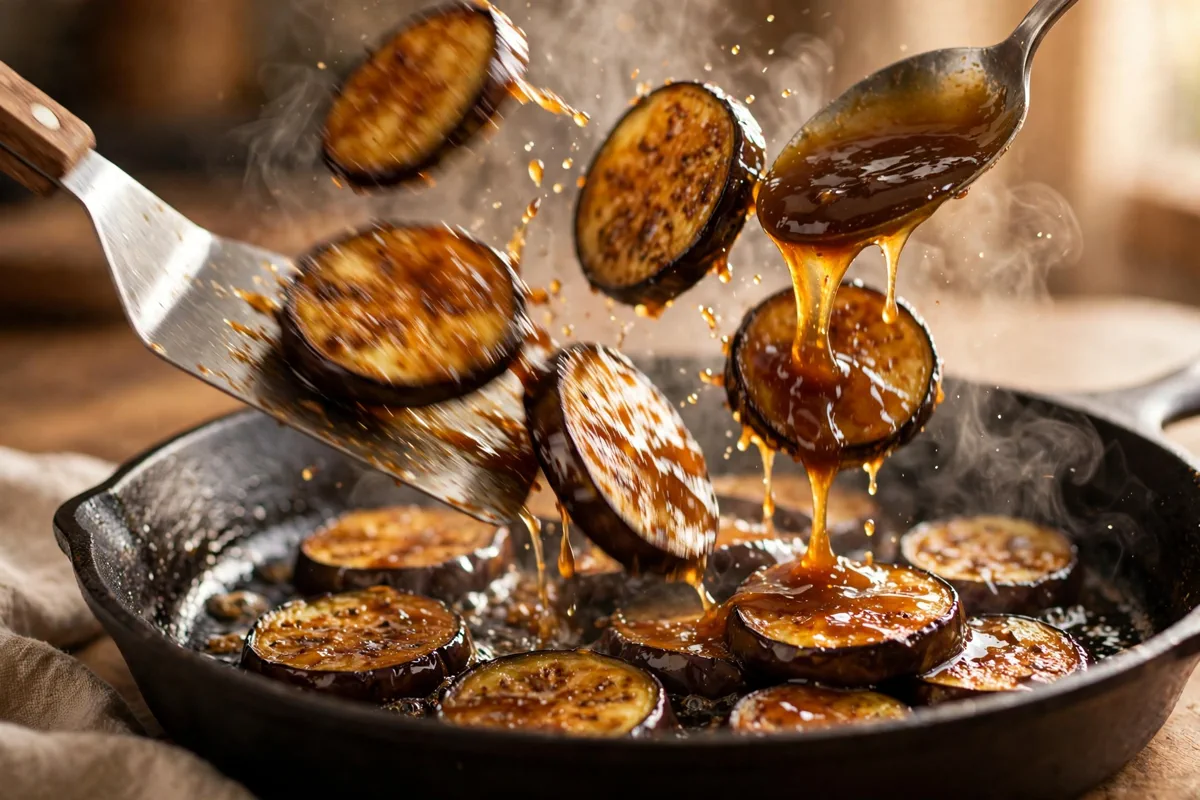
Drop the heat to medium-low. Spoon the miso glaze over the eggplant and toss gently for 1 to 2 minutes until every piece is coated and glistening.
Look for: The glaze should turn glossy and tighten onto the eggplant, with a few darker caramelized spots. Pull the pan off the heat the moment it smells toasty.
6
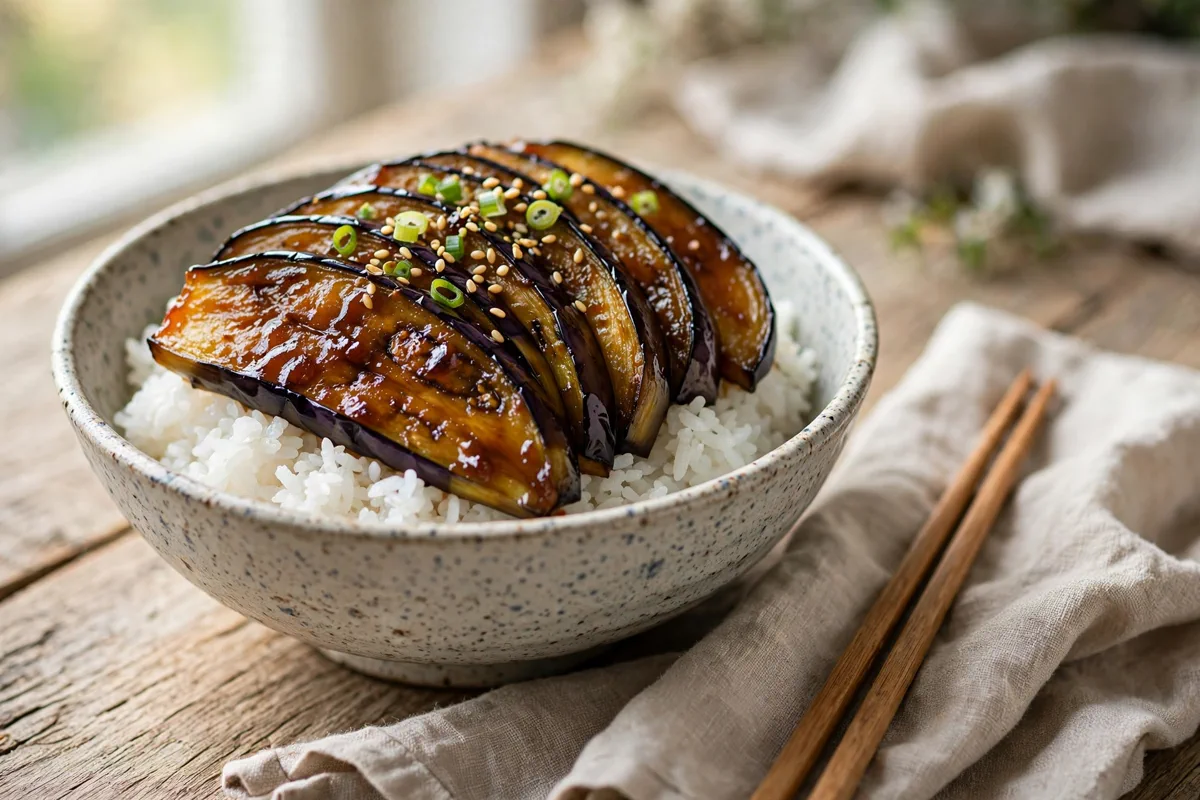
Divide the hot rice between two bowls. Fan the glazed eggplant over the rice, spooning any extra glaze from the pan over the top.
7
Finish with sliced scallions and a pinch of toasted sesame seeds. Serve right away while the rice is steaming.
Our Pro Tips for Success
- •Salt the eggplant and wait. Those 10 minutes pull out bitter moisture and collapse the spongy air pockets, so the flesh sears instead of drinking half a cup of oil.
- •Mix the glaze in the small bowl first, taste it, then adjust. It should hit sweet first and salty second. If your miso is very salty, add an extra teaspoon of sugar.
- •Glaze at the very end, off high heat or under a quick broil. Sugar burns fast. The difference between caramelized and scorched is about 30 seconds.
- •Cold leftover rice actually reheats better for donburi than fresh. Fresh rice is too soft and goes mushy under the hot eggplant. Day-old rice firms up and reheats with distinct grains.
Storage & Make-Ahead Instructions
Refrigerator:Store leftovers in an airtight container for up to 3 to 4 days.
Freezer:Freeze in freezer-safe containers or bags for up to 2 months. Thaw overnight in the fridge.
Reheating:Reheat gently in a 350°F oven or covered skillet with a splash of broth until heated through.
Interactive Kitchen Assistant Live Smart Scaler
Our Recipe Precision Calculators
Calculate exact roasting times, internal temperatures, brining ratios, and safe thaw windows.
2.5 lbs (1.13 kg)
Recommended Timing & Thermals
Est. Cook Time45 mins
Rest Period7 mins
Pull From Heat160°F (71°C)
Final Carryover165°F (74°C)
Insert meat thermometer into thickest center without touching bone for 100% juicy safety.
Miso-glazed eggplant donburi is a Japanese-style rice bowl of seared eggplant slices coated in a sweet-savory miso glaze, served over hot short-grain rice with scallions and sesame seeds. It takes 20 minutes and serves 2. Donburi just means rice bowl, and this one delivers the kind of caramelized, umami-rich satisfaction that makes you forget there is no meat involved.
Eggplant is a sponge. That is its reputation and its problem. Handled wrong, it turns greasy and soggy. Handled right, with a hot pan, enough oil, and no crowding, it sears golden and creamy inside, and the miso glaze lacquers onto the surface like a candy coating. This recipe is built around getting that right.
Salt It, Then Dry It Completely
Toss the cut eggplant with a teaspoon of kosher salt and let it sit in a colander for 10 minutes. The salt draws out bitter moisture and collapses some of the air pockets in the flesh, which means the eggplant absorbs less oil in the pan.
Then rinse the salt off and pat the pieces completely dry with paper towels. Completely. This is the step that determines whether your eggplant sears or steams. Water on the surface has to boil off before browning can start, and by the time it does, the eggplant is overcooked and soggy. Dry eggplant hits hot oil and starts browning immediately.
Use Japanese or Chinese eggplant if you can find it. The long, slender shape means more skin relative to flesh, and the skin is what holds each piece together during searing. The flesh is also less seedy and less bitter than the big globe eggplants, so the salting step is insurance rather than rescue.
The Glaze Ratio
The glaze is 3 tablespoons white miso, 2 tablespoons mirin, 1 tablespoon sugar, and 1 tablespoon sake or water. That ratio is worth memorizing, because it is the backbone of a whole family of Japanese glazes. Sweet first, salty second, with enough liquid to make it spoonable.
Whisk it smooth in a small bowl before it goes anywhere near the pan, and taste it. It should taste sweet with a savory backbone, not aggressively salty. If it makes you pucker, add another teaspoon of sugar. White miso varies in saltiness between brands, so the taste test matters more than the measurements.
The glaze goes on after the eggplant is seared, with the heat dropped to medium-low. Thirty seconds of high heat would scorch the sugars. One to two minutes of gentle tossing coats every piece in a glistening layer. The miso must be white miso here. Red miso is too strong and too salty for a glaze, and it will bulldoze the eggplant.
One Layer, No Crowding
Sear the eggplant in a single layer with space between pieces. This is non-negotiable. Crowded eggplant steams in its own moisture and never browns. If your skillet does not fit it all, cook in two batches. The second batch takes three minutes. Soggy eggplant from an overcrowded pan cannot be fixed after the fact.
Heat the oil until it shimmers, then lay the pieces in and do not touch them for 3 to 4 minutes. That undisturbed contact is what builds the golden crust. Flip each piece, cook 2 to 3 minutes more, and check that the centers are tender. Then the glaze goes on.
Day-Old Rice Wins
The recipe calls for cooked short-grain rice, and day-old rice from the fridge is genuinely better here. Fresh rice is soft and steamy, and it turns mushy under the hot glazed eggplant. Day-old rice has firmed up and dried out slightly, so it holds its shape and soaks up the extra glaze without falling apart.
If you only have fresh rice, spread it on a tray or plate for 10 minutes to let some steam escape before bowl assembly. And use short-grain rice. Long-grain does not have the sticky texture that makes a donburi eat as one cohesive bowl.
Swaps That Actually Work
Globe eggplant can substitute for Japanese eggplant, but cut it into smaller pieces, about 3/4-inch cubes, and salt it for the full 10 minutes. It is seedier and more bitter, so the salting step becomes essential rather than optional. Peel it if the skin is thick.
Mirin adds sweetness and a subtle tang. If you do not have it, use 1 tablespoon of sugar dissolved in 1 tablespoon of water, plus a tiny splash of rice vinegar. It is not identical, but it fills the role. The sake just loosens the glaze. Water does the same job with no flavor loss worth worrying about.
Leftovers
Refrigerate leftover eggplant and rice separately for up to 2 days. Stored together, the rice absorbs moisture from the eggplant and both suffer. Reheat the eggplant gently in a skillet over medium heat until warmed through. The glaze will loosen and re-coat as it warms. Microwave the rice with a sprinkle of water, covered.
The eggplant will be softer on day two. That is the nature of reheated eggplant, and it is still good over fresh rice. Do not freeze it. The texture turns to mush on thawing.
FAQs
Why is my eggplant soggy instead of seared?
Three usual causes. The pieces were not patted dry, the pan was crowded, or the heat was too low. Dry eggplant, single layer, shimmering oil. Get those three right and the sear takes care of itself.
Can I grill the eggplant instead of pan-searing?
Yes. Brush the salted, dried pieces with oil and grill over medium-high heat for 3 to 4 minutes per side, then toss with the glaze in a warm skillet for a minute. You get smoky char marks that the pan version does not have.
Is this recipe vegan?
Yes, as written. Miso, mirin, sugar, sake, eggplant, and rice are all plant-based. Just check that your sugar is not processed with bone char if that matters to you, and confirm the mirin has no added animal products, which most do not.
What if I only have red miso?
Use 2 tablespoons instead of 3 and add an extra teaspoon of sugar. Red miso is much saltier and stronger than white, so you need less of it and more sweetness to balance. The glaze will be darker and more intense, which some people prefer.
Easy Chicken Recipes • Official Card
Miso-Glazed Eggplant Donburi (15-Minute Rice Bowls)
☆☆☆☆☆0.0 (0 reviews)•Recipe by Cooking With Guru Editorial Team•Updated: Oct 15, 2026
Miso-glazed eggplant, caramelized until sticky and sweet-savory, piled over steaming rice with scallions and sesame. This 15-minute bowl beats takeout.
Prep Time10 mins
Cook Time10 mins
Total Time20 mins
Calories465 kcal
Adjust Servings:
2
Ingredients
Click to check off2 piece Japanese or Chinese eggplants (about 1 lb / 450g total)(medium; long and slender; see substitutions if using globe eggplant)
1 tsp kosher salt(for drawing out moisture)
2 tbsps neutral oil(avocado or vegetable, not olive oil)
3 tbsps white miso paste (shiro miso)(not red miso, which is too strong here)
2 tbsps mirin
1 tbsp sugar(plus more to taste)
1 tbsp sake or water(to loosen the glaze)
2 cups cooked short-grain rice(about 1 cup dry; see tips on day-old rice)
2 piece scallions(thinly sliced, greens and whites)
1 tsp toasted sesame seeds
Equipment Needed
- large skillet or grill pan
- small bowl for the glaze
- sharp knife
- cutting board
- rice cooker or pot
Instructions
Step-by-StepTrim the ends off the eggplants and cut them into 1-inch-thick rounds or half-moons. Toss with the kosher salt in a colander and let sit 10 minutes.
While the eggplant rests, whisk the white miso, mirin, sugar, and sake in a small bowl until smooth. Taste it. Sweet first, salty second.
Rinse the salted eggplant and pat the pieces completely dry with paper towels. Heat the oil in a large skillet over medium-high heat until it shimmers, then add the eggplant in a single layer.
Sear undisturbed for 3 to 4 minutes, then flip each piece and cook 2 to 3 minutes more, until golden on both sides and tender in the center.
Drop the heat to medium-low. Spoon the miso glaze over the eggplant and toss gently for 1 to 2 minutes until every piece is coated and glistening.
Divide the hot rice between two bowls. Fan the glazed eggplant over the rice, spooning any extra glaze from the pan over the top.
Finish with sliced scallions and a pinch of toasted sesame seeds. Serve right away while the rice is steaming.
Nutrition Facts (per serving)
Calories465 kcal
Protein8g
Carbs84g
Fat10g
Fiber7g
Sugar14g
Sodium890mg
CWG
Recipe Source
The Cooking With Guru Team
Our recipes are developed and checked by the Cooking With Guru team. Nutrition figures are estimates calculated from USDA data, and yields scale with the built-in portion tools so the recipe fits your kitchen.
More lunch recipes to try!
🍽️
Turkish Menemen: One-Pan Eggs in Spicy Tomato Sauce
🍽️
High-Protein Cottage Cheese Egg Bake with Spinach
🍽️
Easy Chicken Congee Recipe with Crispy Garlic and Chili Oil
Comments & Questions (0)
Join the conversationNo comments yet!
Be the first to leave a comment or ask a question about Miso-Glazed Eggplant Donburi (15-Minute Rice Bowls).